


The application period for the Fellowship beginning July 1, 2027 is now closed.
The call for applications for the 2028 Fellowship is expected in September 2027.
About the Fellowship Program
The Sinclair Cancer Research Institute (SCRI) at Queen’s University in Kingston, Canada and Common Sense Oncology annually host an opportunity for a one-year Cancer Health Services Research Fellowship. This fellowship will provide hands-on training in health services research and cancer policy, as well as an opportunity to perform clinical work in medical oncology at Kingston Health Sciences Centre, one of Canada’s leading research and teaching hospitals.
Fellowship training will be consistent with the core principles of Common Sense Oncology (CSO), a global network of oncologists, researchers, patient advocates, and other cancer care stakeholders who are dedicated to advancing high quality, compassionate, and innovative cancer care that is focused on the outcomes the matter to patients and health systems. CSO works collaboratively with people who have lived experience, as well as organizations and regulators in the cancer field, to ensure that patient needs and outcomes are at the centre of cancer research, cancer care delivery, and cancer systems policy.
The fellow will have the opportunity to work in diverse areas including drug policy, global oncology, health quality, health services research, and knowledge mobilization as well as the opportunity to lead peer-reviewed publications, policy papers, and present at international research conferences.
The fellow will be based at Queen’s University in Kingston, Canada in the Division of Cancer Care and Epidemiology within SCRI. Fellows will be jointly supervised by Drs. Chris Booth, Bishal Gyawali, and Brooke Wilson. The Fellow will also work on projects under the virtual supervision of other members of the CSO Leadership Council including Drs. Ian Tannock (Canada), Manju Sengar (India), Chris Jackson (New Zealand), Michelle Tregear (US), and Scott Berry (Canada).
Eligibility:
Applicants must be approaching completion of their training in clinical or medical oncology, or have completed their training within the last five years. They must also demonstrate interest in the principles of Common Sense Oncology and its areas of focus, including but not limited to: clinical trial design, patient-centered outcomes, value of care, health equity, global oncology, and shared decision-making.
About Queen’s University
Queen’s University is located in Kingston, Canada — a historic medium-sized city on the shores of Lake Ontario — and is internationally regraded for its contributions to cancer care and research, including through the Sinclair Cancer Research Institute and the Canadian Cancer Trials Group. The Division of Cancer Care and Epidemiology is a group of 16 physician-scientists and career scientists with expertise in cancer epidemiology, outcomes research, cancer policy, biostatistics, and clinical decision-making. CCE has three broad research themes: health services research, cancer policy, and global oncology.
Joint Supervisors
Dr. Chris Booth
Dr. Christopher Booth is the Director of the Cancer Care and Epidemiology Division of the Sinclair Cancer Research Institute at Queen’s University, and a co-founder of Common Sense Oncology. He is a medical oncologist at Kingston Health Sciences Centre and Professor of Oncology and Public Health Sciences. He leads a program in cancer health services research that explores access, quality, and value of cancer care in Canada and globally.
Dr. Brooke Wilson
Dr. Brooke Wilson is a Medical Oncologist at the Kingston Health Sciences Centre, a Principal Investigator at the Cancer Care and Epidemiology Division of the Sinclair Cancer Research Institute, Assistant Professor at the Queen’s University School of Medicine, and a co-founder of Common Sense Oncology. Dr. Wilson is the co-chair of the Health Policy Working Group of Common Sense Oncology and is a member of the Clinical Trials Working Group.
Dr. Bishal Gyawali
Dr. Bishal Gyawali is a Medical Oncologist, Professor in Medical Oncology and Public Health Sciences, Principal Investigator of the BG Lab at Queen’s University, and a co-founder of Common Sense Oncology. Dr. Gyawali co-chairs the Clinical Trials Working Group of Common Sense Oncology, alongside Dr. Ian Tannock. Dr. Gyawali is also a member of the Patient Priorities Working Group of Common Sense Oncology.
Current Fellows

Dr. Hannah Bromley
Dr. Bromley is an NIHR Academic Clinical Fellow and Specialist Doctor in Clinical Oncology from The Christie NHS Foundation Trust and The University of Manchester. She completed a jointly awarded PhD in Health Economics at the University of Birmingham and the University of Melbourne, where her research focused on the valuation of health outcomes associated with breast cancer screening and treatment programmes. Her research interests include health economics, health inequalities in cancer care, patient-reported outcomes, and the evaluation of cancer therapies to support high-value, patient-centred care.
As the 2026-2027 Common Sense Oncology (CSO) Fellow, Hannah joins the Health Policy team, working with Dr. Chris Booth and Dr. Brooke Wilson. During her fellowship, she will work on projects examining clinical trial endpoints and margins used in the approval of high-value cancer drugs, cancer drug prescribing preferences through mixed-methods research, and investigate the time toxicity of cancer treatments for patients with advanced breast cancer. She will also examine the broader societal implications of cancer treatments and hypofractionation, applying CSO principles and her expertise in health economics, to support decision-making around the value and delivery of cancer care that matters most to patients and society as a whole.
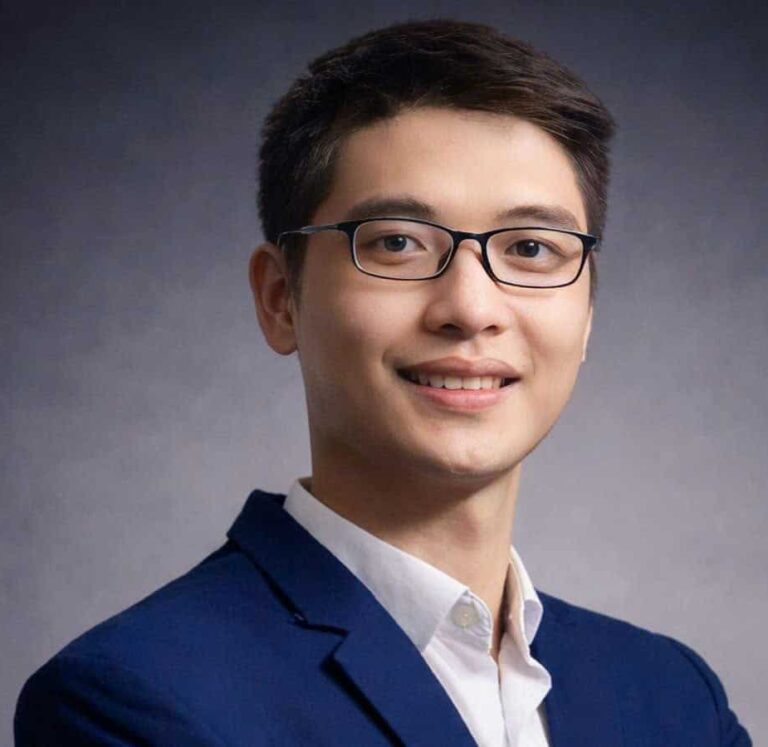
Dr. Long Nguyen
Dr. Nguyen is a medical oncologist from the Vietnam National Cancer Hospital with a strong interest in global oncology, health policy, and improving cancer care in resource-limited settings. During his six-month fellowship at Common Sense Oncology, he will be working on several research projects aimed at improving access to high-value, evidence-based cancer care, including evaluating the alignment of national Essential Medicines Lists with the WHO Essential Medicines List for cancer medicines, as well as projects focused on critical appraisal, global oncology, and cancer policy.
Past Fellows
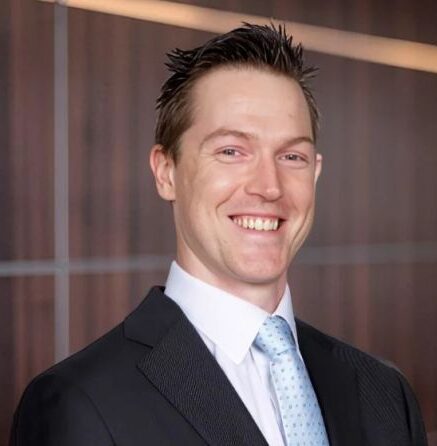
Dr. Samuel Stevens
Dr. Stevens recently completed his fellowship for the 2025-2026 year. During this time, his fellowship work spanned three distinct projects. The first project included conducting initial qualitative interviews with patients and clinicians to inform the development of a shared decision-making intervention to improve goal-concordant care for people with advanced cancer. The second project involved developing and vetting a set of quality indicators to measure and improve the use of precision oncology technologies in a pan-Canadian Delphi process. He continued PhD-related work in ‘time toxicity’, including a fellowship project using the Ontario Cancer Registry to quantify real-world time toxicity in a contemporary gastric and oesophageal patient cohort from Ontario. Finally, he was able to partake in a number of additional writing opportunities, including several commentary papers, and writing a chapter for the ASCO Book.

Dr. Haydeé Verduzco-Aguirre
During Dr. Verduzco’s fellowship, she contributed to the development of a competency framework for practicing medical oncology with common sense, integrating her background in medical education with new skills in health services research.
Dr. Verduzco also published an original article in The Lancet Regional Health – Americas on breast cancer epidemiology and treatment patterns in São Paulo, Brazil, comparing observed versus guideline-recommended treatment utilization over two decades. She also published comments in high-impact journals on several topics such as the value of surveillance imaging and HTA processes.
Additionally, Dr. Verduzco led a qualitative project examining Mexican oncologists’ perspectives on the value of treatments for advanced breast cancer, with preliminary results in preparation for publication.
“I chose to combine my fellowship with a clinical component, seeing breast and gastrointestinal cancer patients, which gave me firsthand insight into the Canadian health system and helped me identify opportunities for improvement at my institution in Mexico.”

Dr. Omar AbdiHamid
“The Common Sense Oncology Fellowship was a truly rewarding experience that strengthened my understanding of evidence-based oncology and the importance of delivering high-value, context-appropriate cancer care, particularly in resource-limited settings.”
During his fellowship, Dr. AbdiHamid was engaged in a clinical trials using the Common Sense Oncology checklist looking at approved therapy for value-based cancer care, and global oncology. The experience has continued to influence both his clinical practice and his work in oncology education and advocacy across Africa.
Dr. AbdiHamid published two papers during his Fellowship: